





Nearby Attractions
Vicinity MAP
-
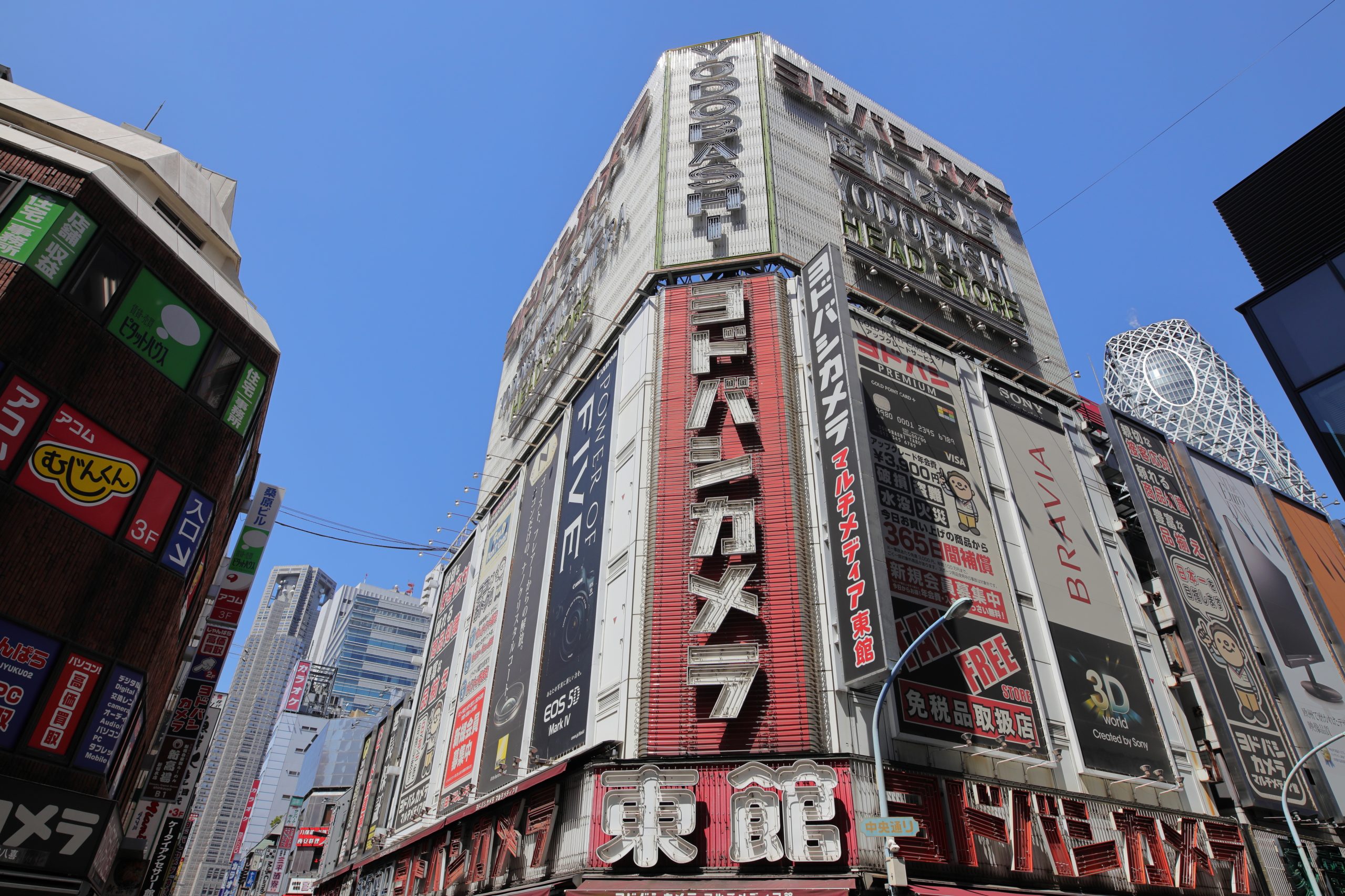
Shinjuku Station West Exit Area Yodobashi Camera Main Store
The store is divided into separate pavilions for each product, and has a very large selection of goods. Travel supplies and stationery are also available!
-
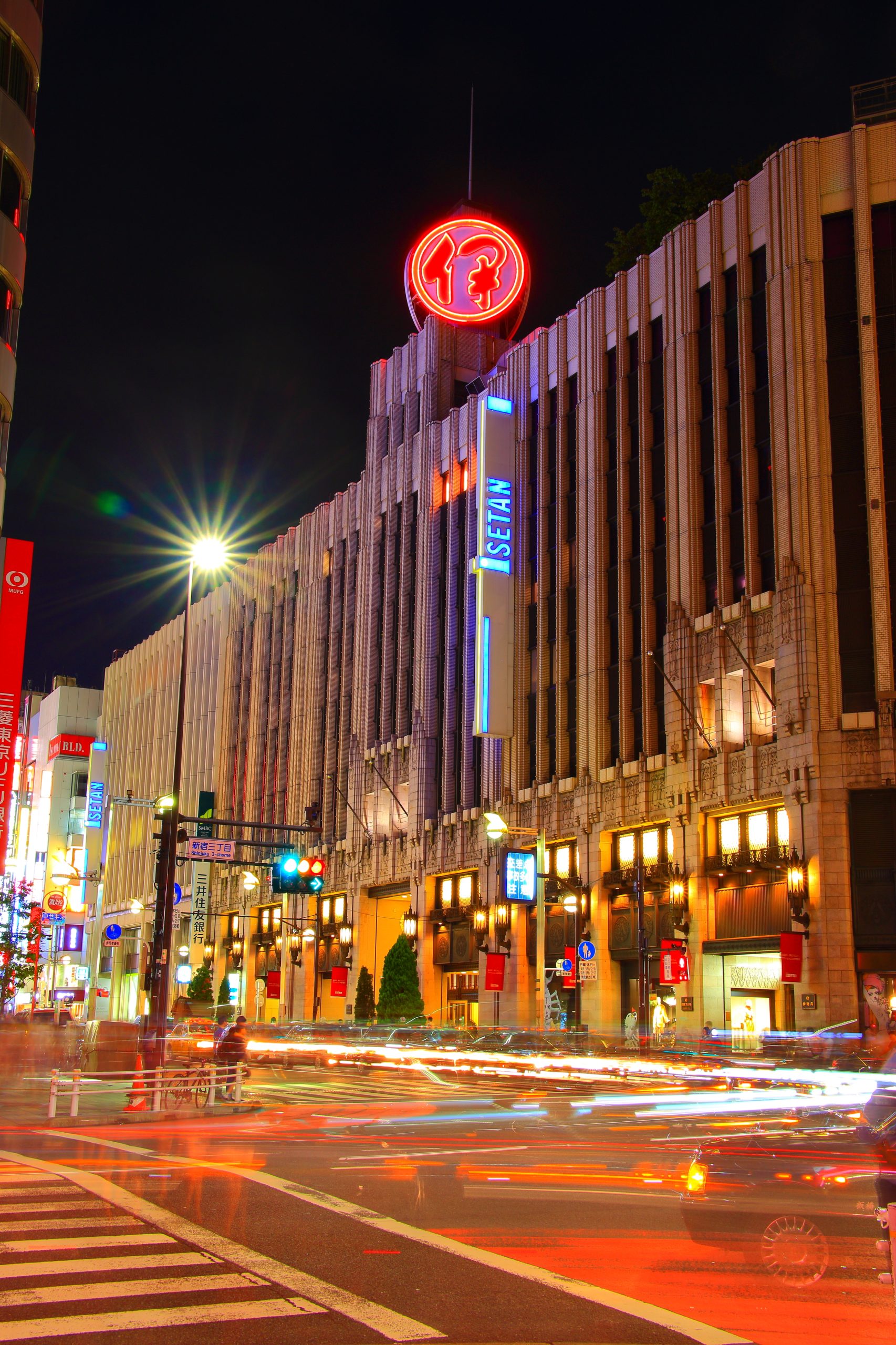
Shinjuku Station East Exit Area Shinjuku Isetan Main Store
It has been loved as a long-established department store in the Shinjuku area where many Shinjuku department stores are located. This department store has a long history dating back to the Meiji era (1868-1912). Once you step inside the stately building, you can forget the hustle and bustle and enjoy shopping in elegance.
-
Shinjuku Station East Exit Area: Kinokuniya Bookstore, Shinjuku Main Store
One of the largest bookstores at the east exit of Shinjuku Station, this eight-story building sells numerous books in each genre.
-
Shinjuku Station East Exit Area Don Quijote
Located at the entrance of Kabukicho along Yasukuni Street, open 24 hours a day. The store offers products of all genres!
-
Shinjuku Station South Exit Area: Takashimaya, Times Square
Takashimaya, Tokyu Hands, and Kinokuniya Bookstore are located in this spacious area, making it a great spot to relax and enjoy shopping.

-
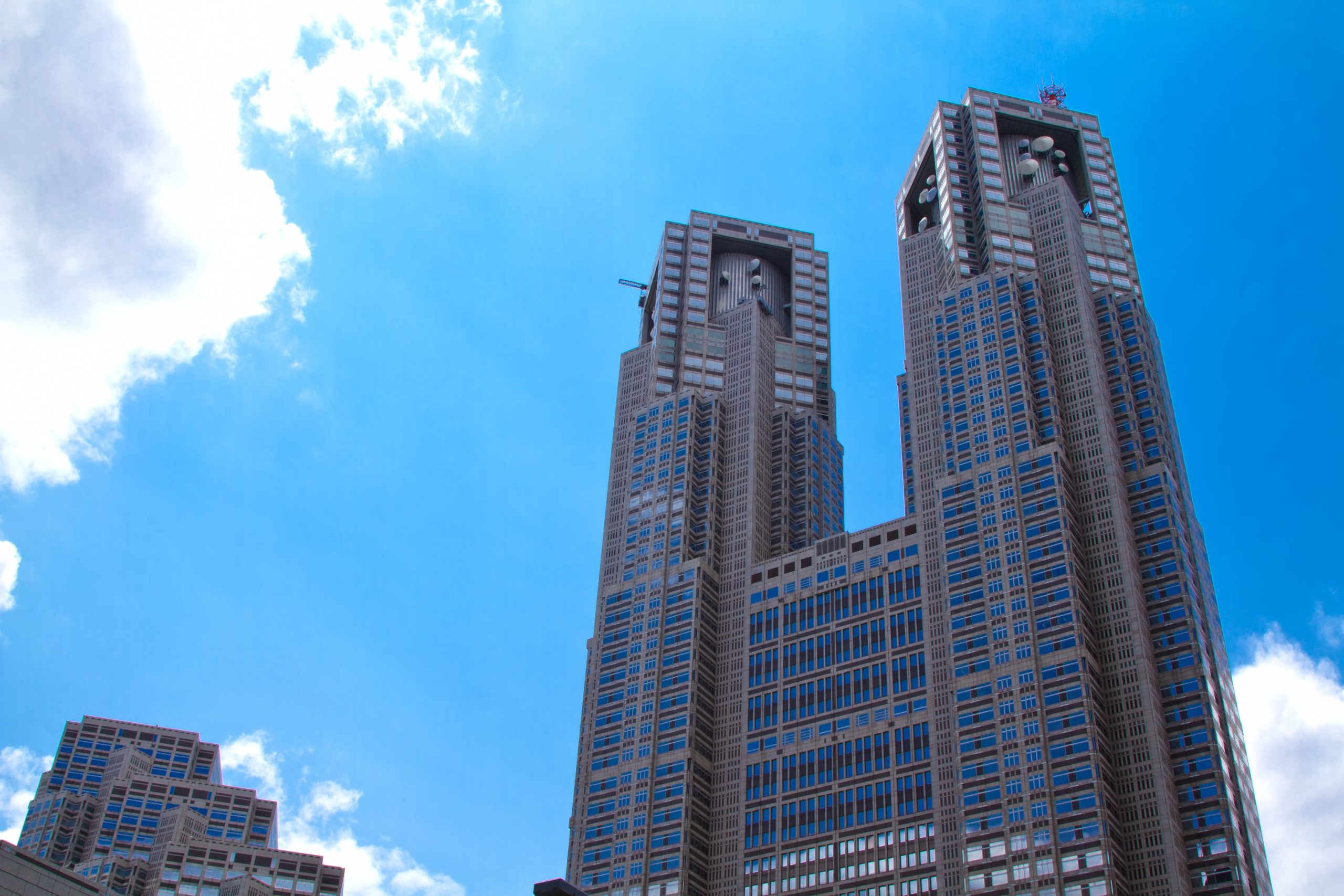
Shinjuku Station West Exit Area Tokyo Metropolitan Government
The Tokyo Metropolitan Assembly Building, which can be visited free of charge, and the observatory, from a height of 202 meters above the ground, offering a panoramic view of Tokyo, are popular spots.
-
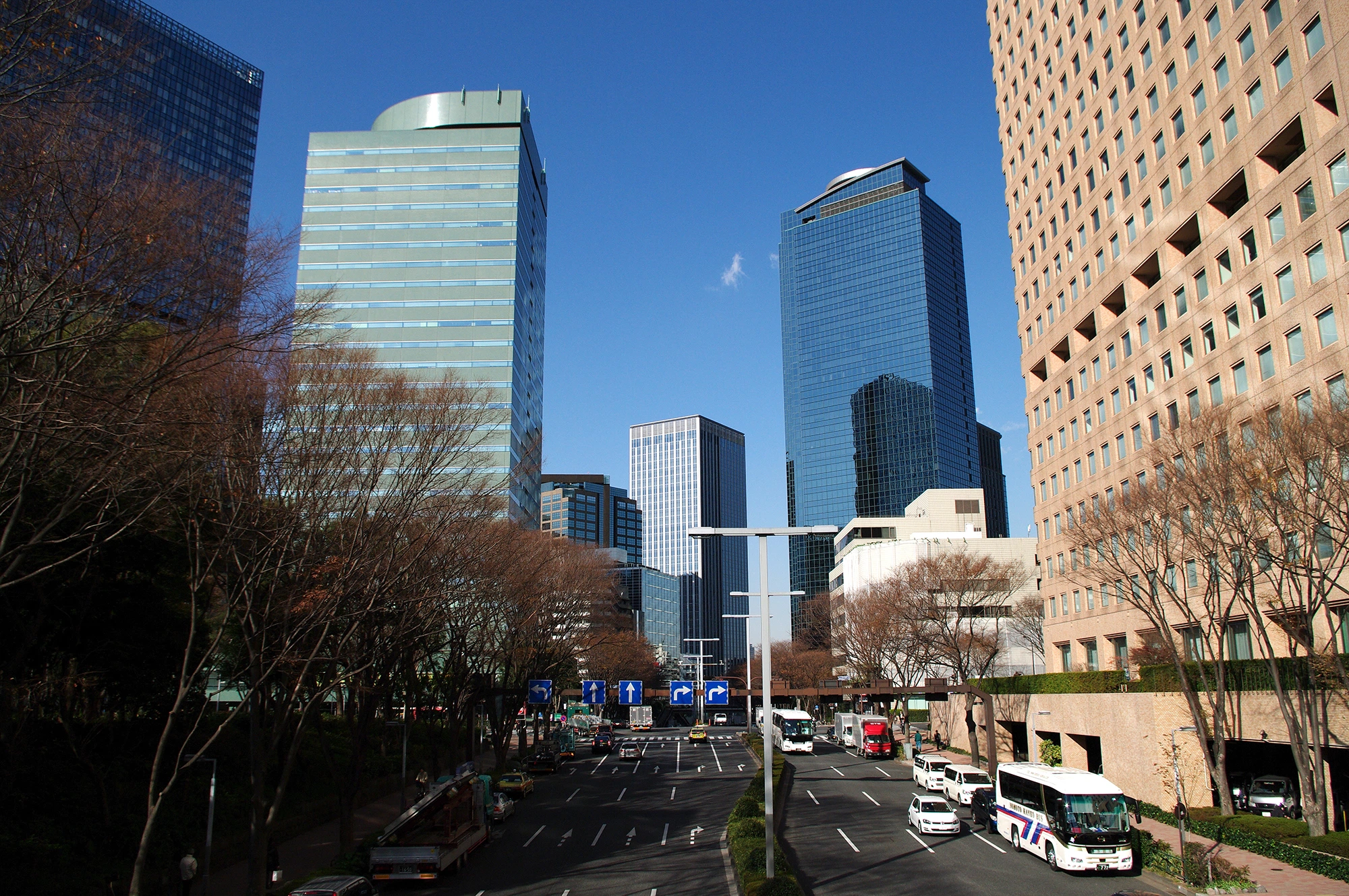
Shinjuku Station West Exit Area Shinjuku Central Park
It is an oasis in the heart of the city among the skyscrapers of Nishi-Shinjuku♪ In spring, it is crowded with cherry blossom-viewing visitors. It is also popular among runners as a marathon course.
-
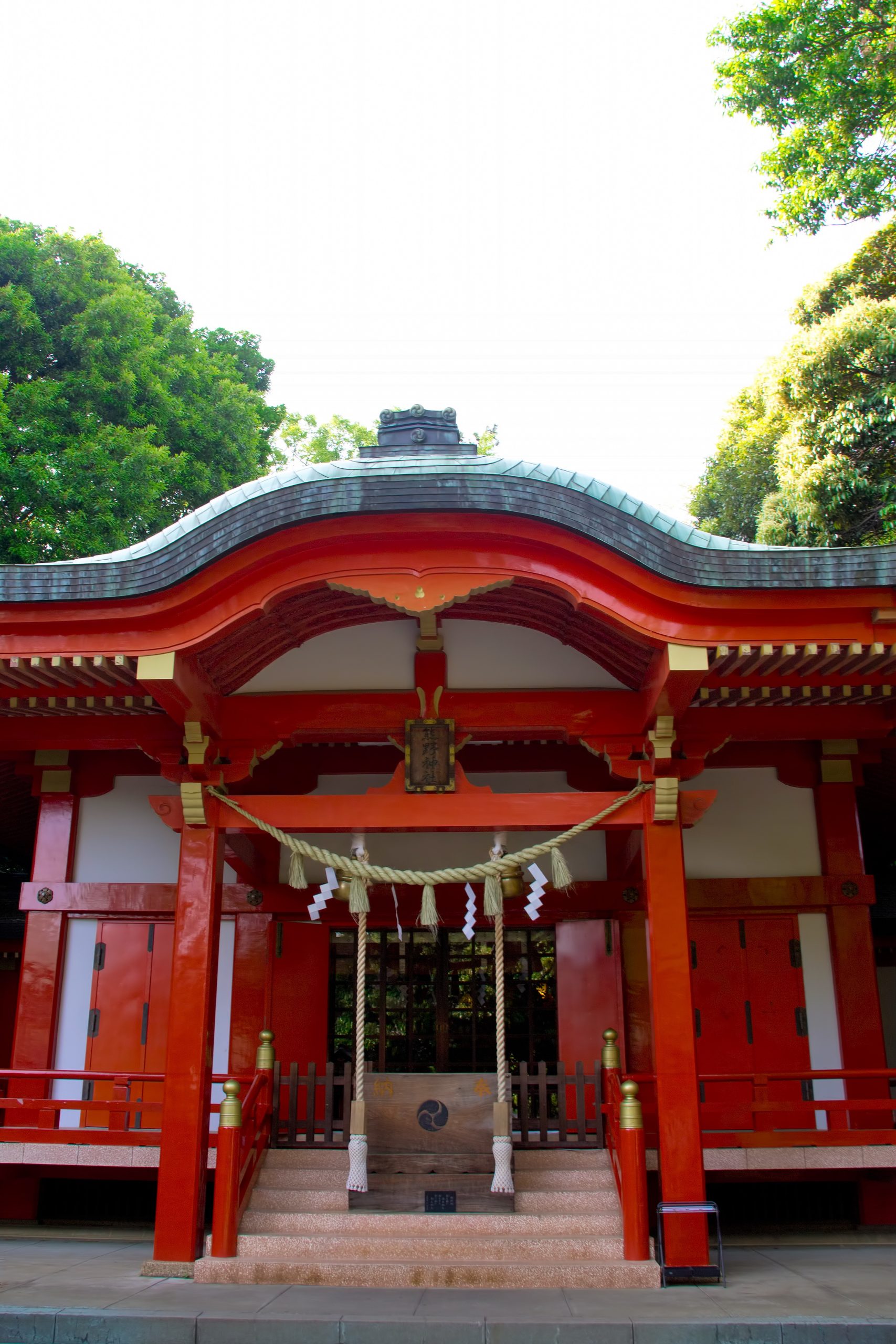
Shinjuku Station West Exit Area Kumano Shrine
The shrine is located adjacent to Shinjuku Chuo Park. The shrine is dedicated to the god of marriage and family safety, and weddings are also held here. Hatsumode is crowded with local people.
-
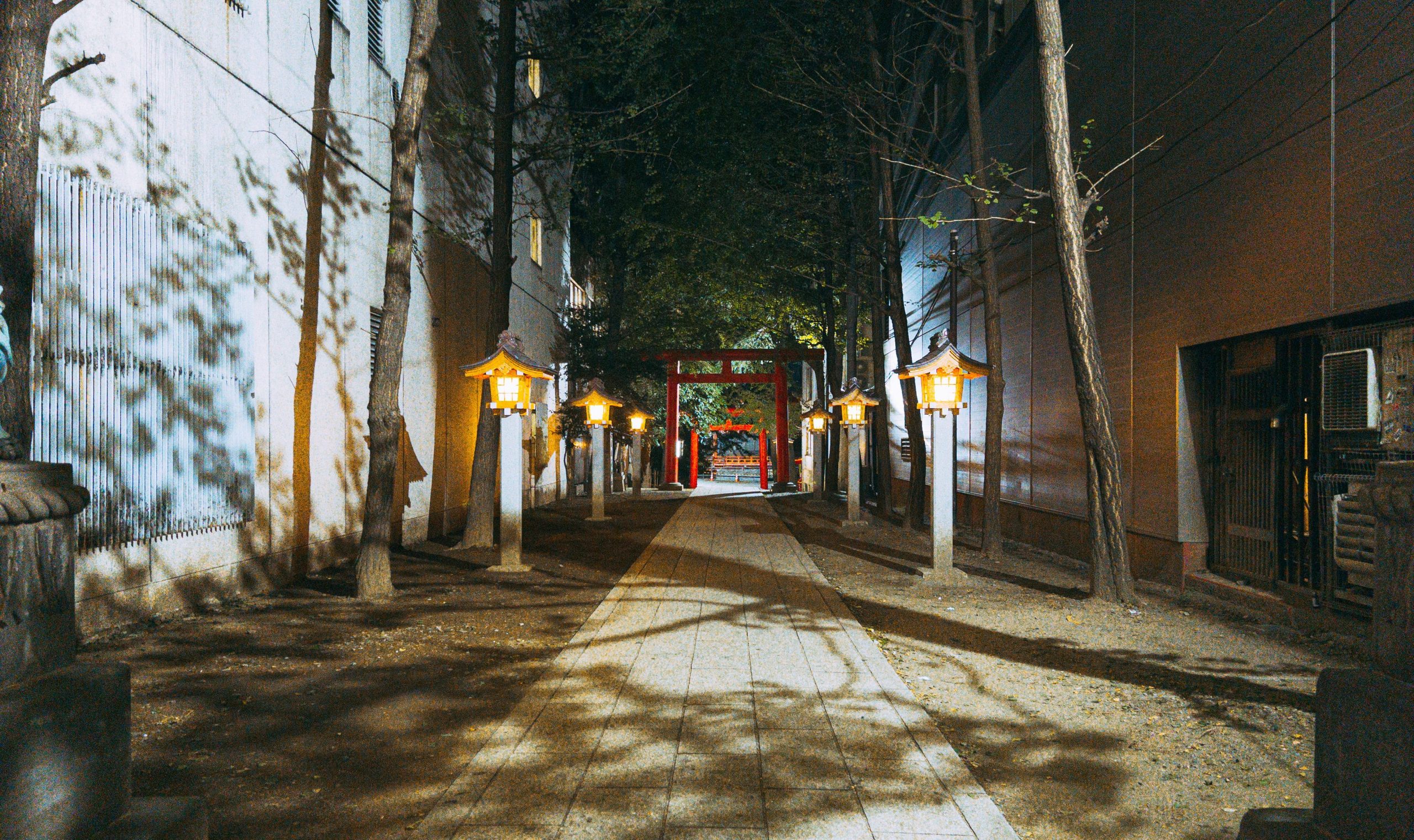
Shinjuku Station East Exit Area Hanazono Shrine
It is enshrined as the guardian god of the city of Shinjuku. Many worshippers visit the shrine because of its quietness and solemn atmosphere, which is hard to believe in Shinjuku.
-
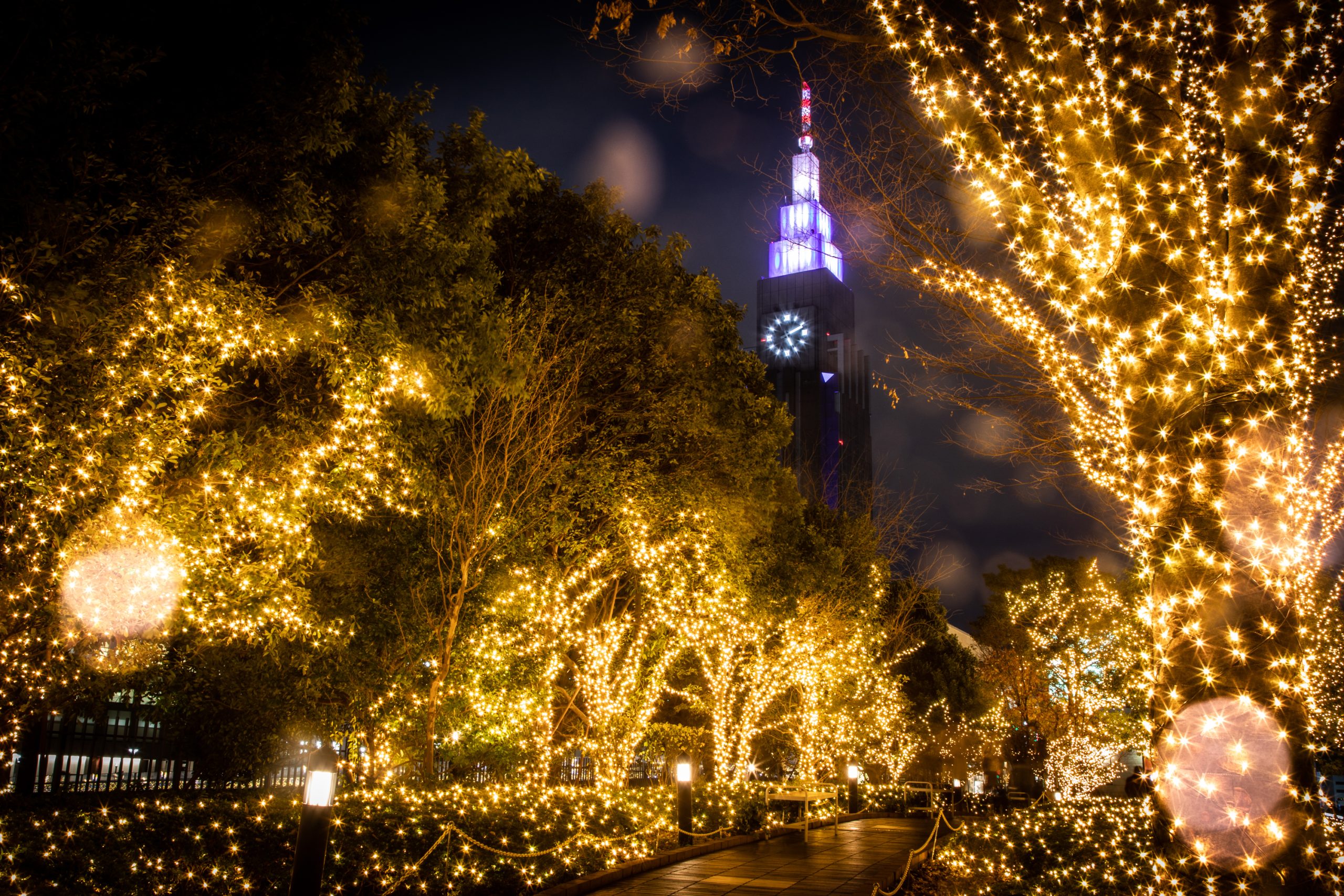
Shinjuku Station South Exit Area Southern Terrace
A promenade stretching from the south exit of Shinjuku Station toward Yoyogi. Cafes, fashion stores, and general stores line the promenade. The illumination in winter is popular and the area is crowded with couples.
-
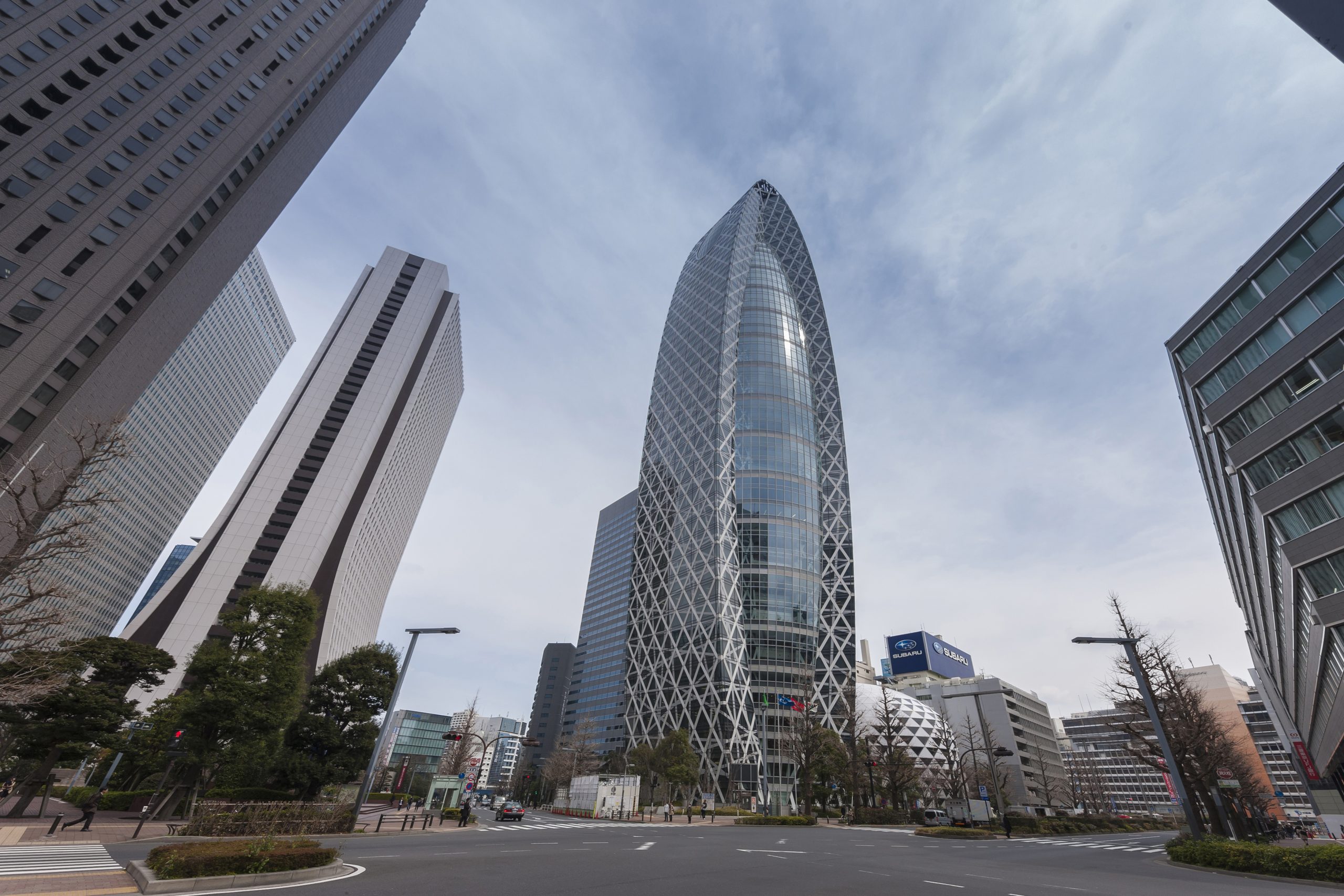
West Exit Area of Shinjuku Station Nishi-Shinjuku Skyscrapers (Center Building, Nomura Building, Sumitomo Building, NS Building, etc.)
The cluster of high-rise buildings, each over 100 meters tall, is a symbol of Shinjuku. Many of these buildings feature restaurants on their upper floors Restaurantwhere you can enjoy a meal and take in the views of Tokyo.
-
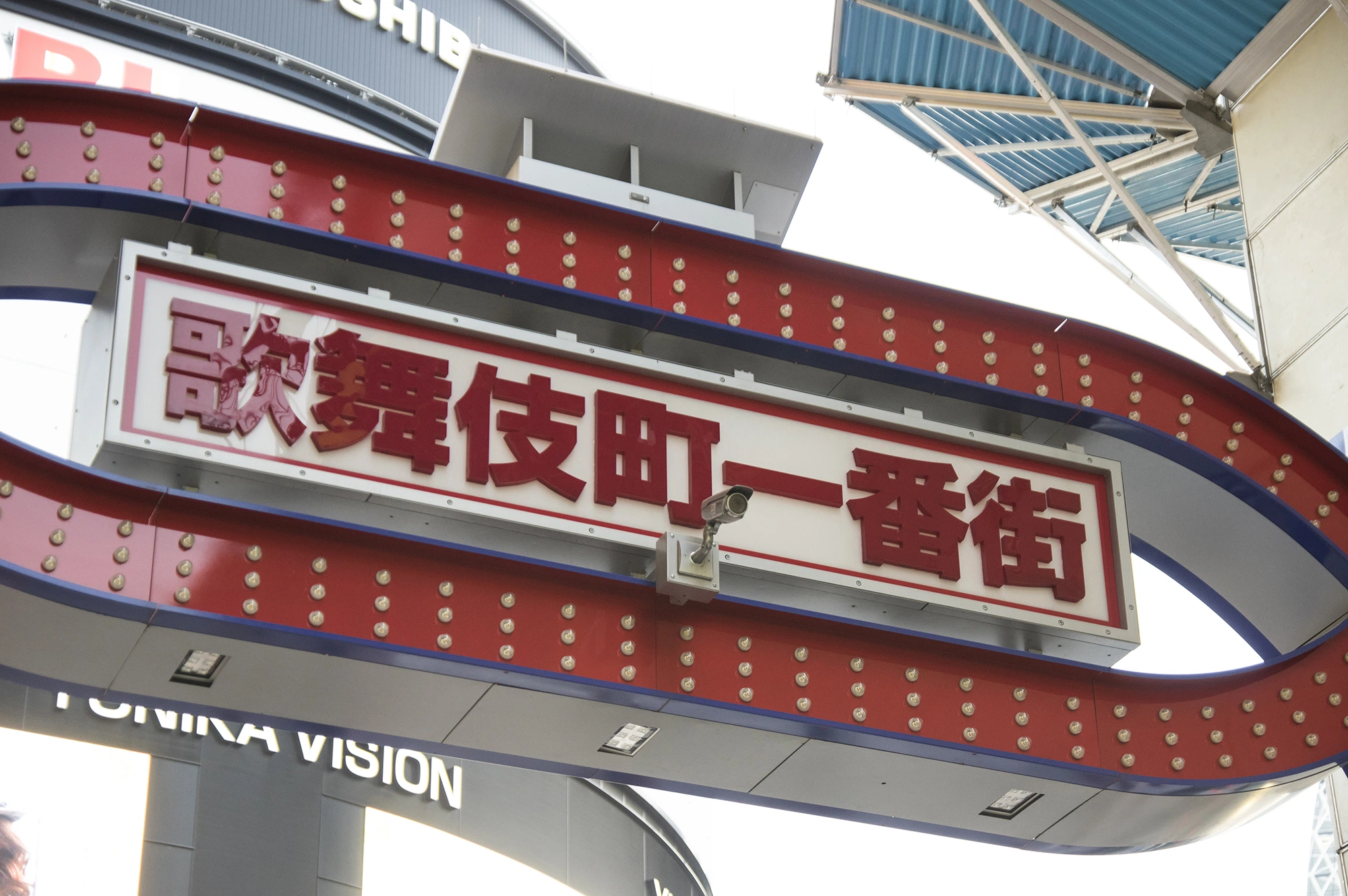
Shinjuku Station East Exit Area Kabukicho
It is said to be the best entertainment district in the Orient, and the neon lights of the restaurants never go out. At night, the area is at its peak of excitement with people on dates and drinking parties. This is "Shinjuku, the town that never sleeps.
-
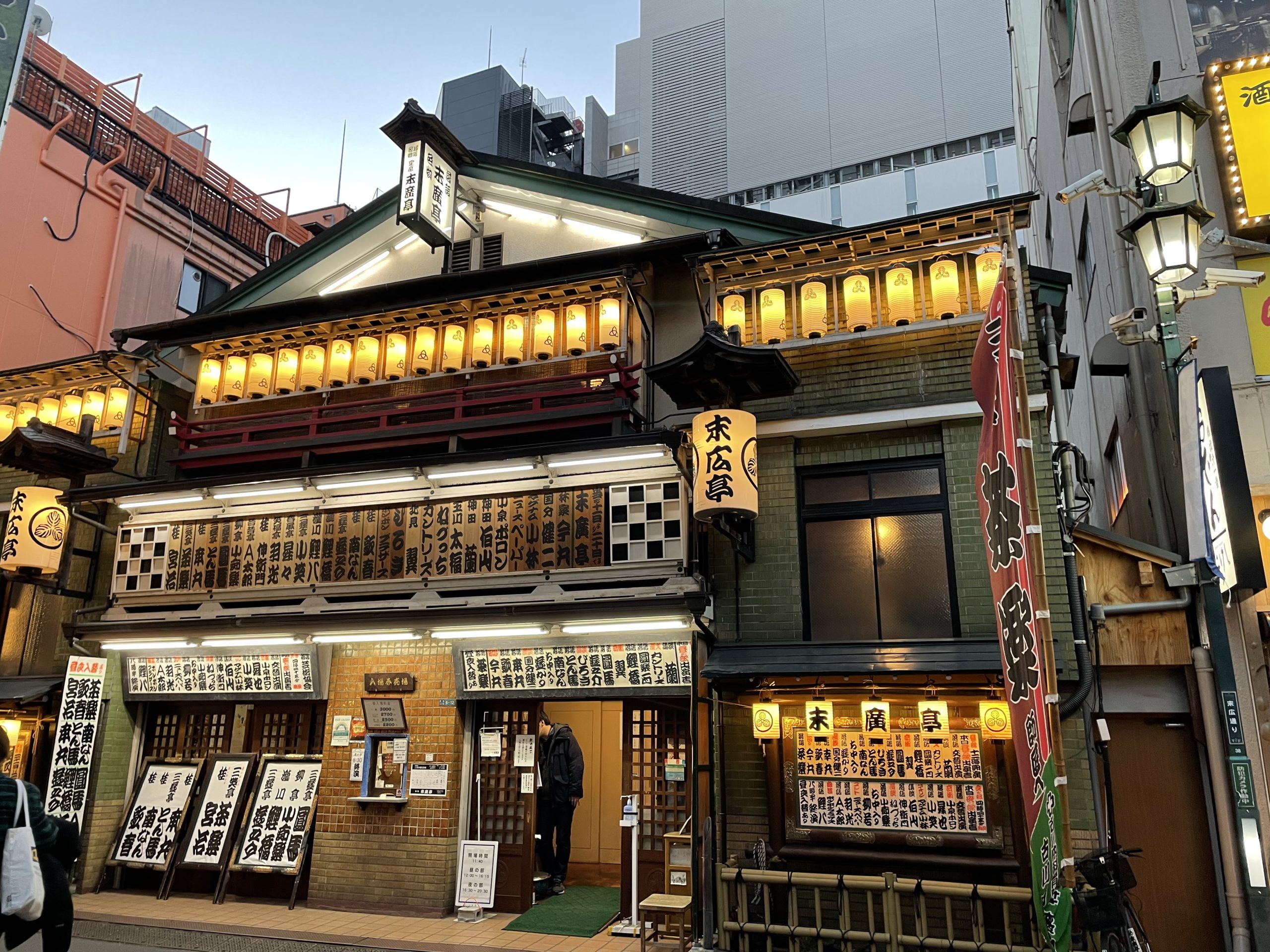
Shinjuku Suehiro-tei, Shinjuku Station East Exit Area
Yose in Shinjuku San-chome. In addition to rakugo (comic monologue), manzai (comic storytelling), kyogen (magic tricks), acrobatics, and secular music are also performed. It is a rakugo colorful fixed-seat yose that respects the traditions that have existed since the Edo period and retains the atmosphere of a modern-day rakugo theater.
-
Shinjuku Station West Exit Area SOMPO Museum of Art (former Seiji Togo Museum of Art) (in Sompo Japan Building)
This museum focuses on Seiji Togo's collection of art works. Van Gogh's famous Sunflowers, Gauguin, and Cezanne are also on display. (The museum is closed on Mondays but open on national holidays.)
-
Shinjuku Station East Exit Area Shinjuku Gyoen
It was built as an imperial garden and became a national park after the war. The 58.3-hectare garden with a 3.5-km perimeter features a beautiful landscape of seasonal flowers and grasses. It is considered one of the few masterpieces of landscape gardens in Japan.
-
Shinjuku Station West Exit Area: Town for young people
With Kogakuin University, Bunka Women's University, Mode Gakuen, and others, Shinjuku is not only a city of business, but also a city of learning. Inside the Cocoon Building, which houses Mode Gakuen, is one of the largest bookstores in the area, BOOK1st.
-
Shinjuku Station East Exit Area Movie theaters (Shinjuku Piccadilly & Wald 9)
This cinema complex is one of the largest in the Shinjuku area. It is a movie theater with a clean interior and state-of-the-art facilities. It is crowded with men and women of all ages on weekdays as well as holidays.
-
Shinjuku Station South Exit Area Lumine the Yoshimoto
It is located on the 7th floor of Lumine 2 at the new south exit. If you are lucky, you may be able to see a comedian doing a yobikomi.
-
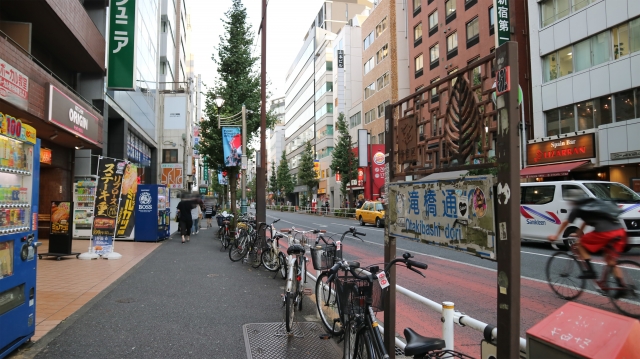
Shinjuku Station West Exit Area Kotakibashi Dori
Starting from Shinjuku West Exit O-guard and extending toward Okubo, this street is famous as a battleground for ramen restaurants. Why don't you try to find a restaurant that interests you?
-
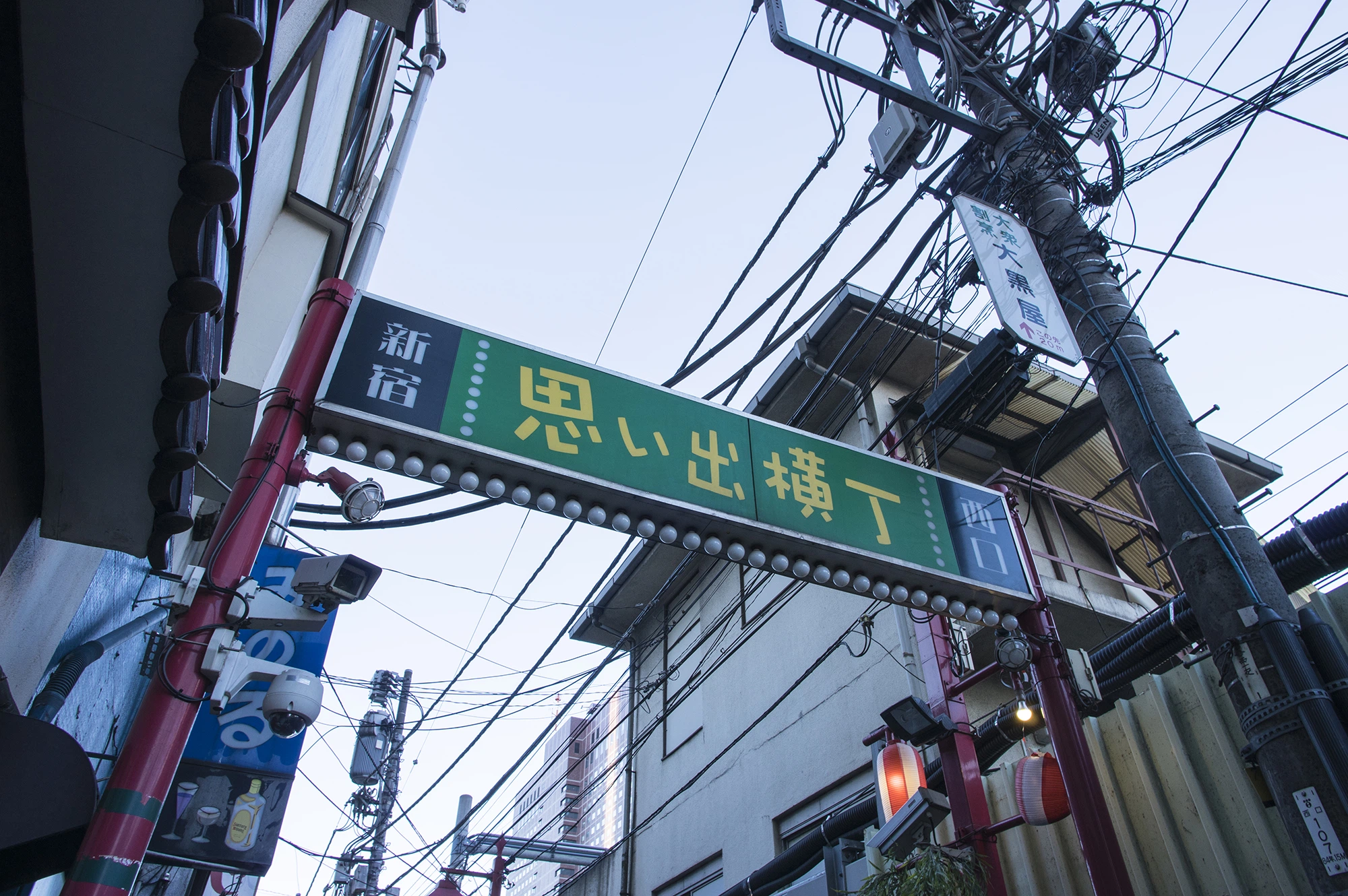
Shinjuku Station West Exit Area, Omoide Yokocho
The bar district near the Nishi-guchi Grand Overpass. It has a typical office worker vibe, but there are plenty of young patrons, too. Each bar is small and retains the charm of the Shōwa era, so you can really soak up the retro atmosphere.
-
Shinjuku Station East Exit Area Golden Gai
Adjacent to Hanazono Shrine is a bar district that has been around since the postwar era. It has an “at- Home” atmosphere, with many small, cozy bars featuring counter seating. It’s a neighborhood that attracts many writers and journalists.
-
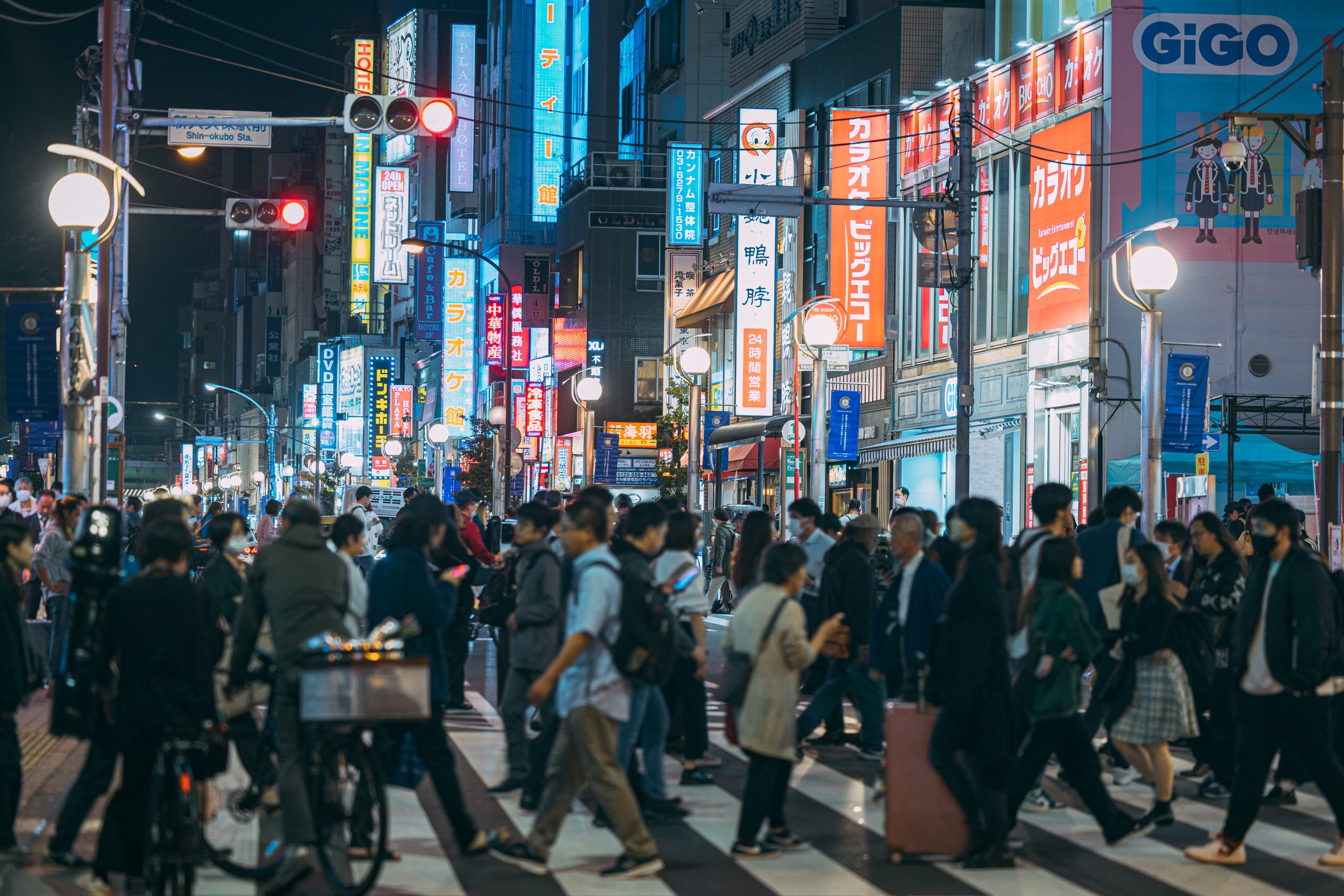
Shin-Okubo (section of Tokyo)
Korean Town is crowded with many Korean restaurants and idol stores due to the recent Korean boom. Shinjuku] ⇒ [Shin-Okubo] 2 min. on JR Yamanote Line
-
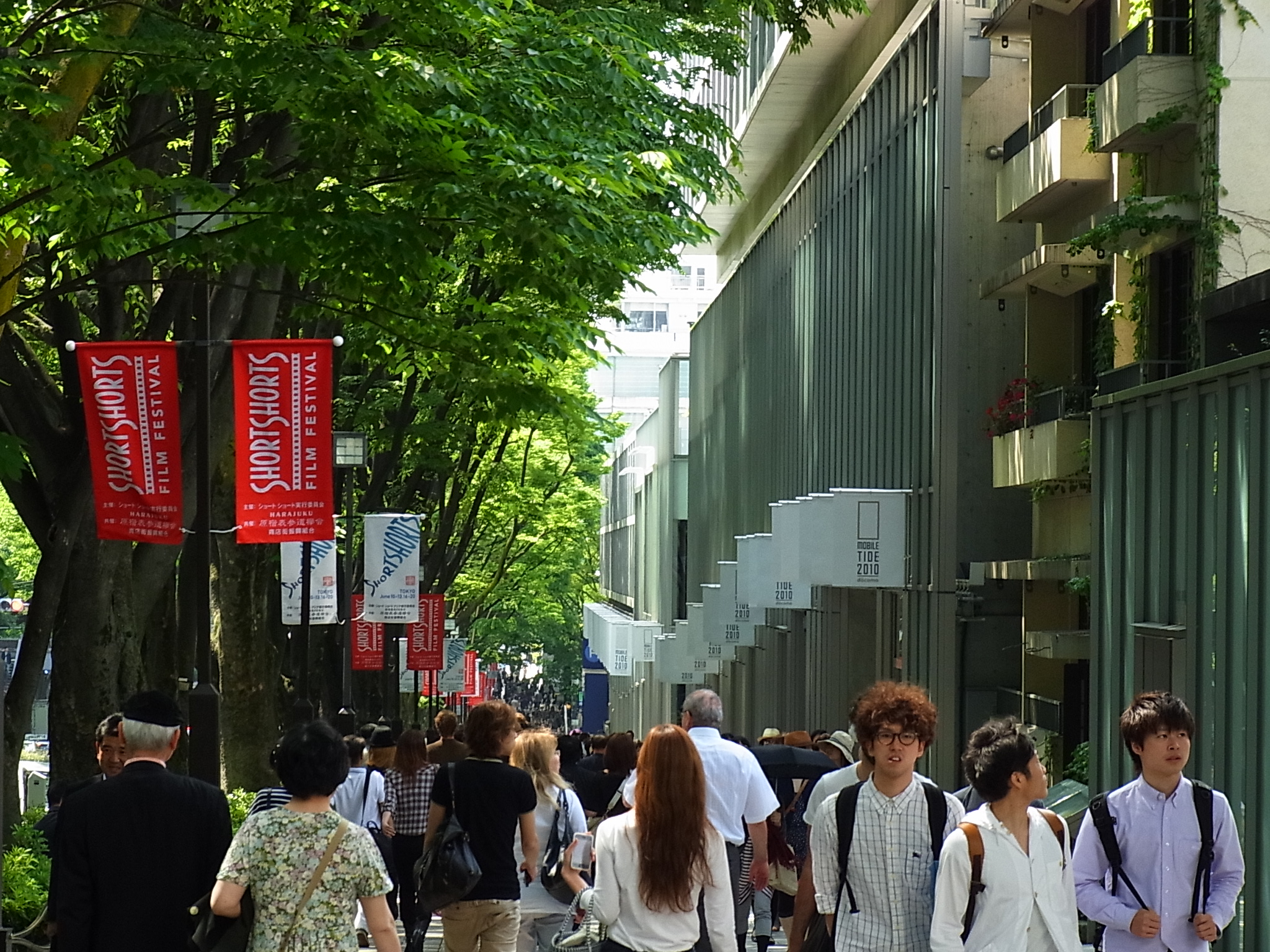
Harajuku/Omotesando
A town at the forefront of fashion as a source of fashion for young people. There are many attractions such as Takeshita Street and Omotesando Hills. 5 minutes from Shinjuku to Shibuya on the JR Yamanote Line
-
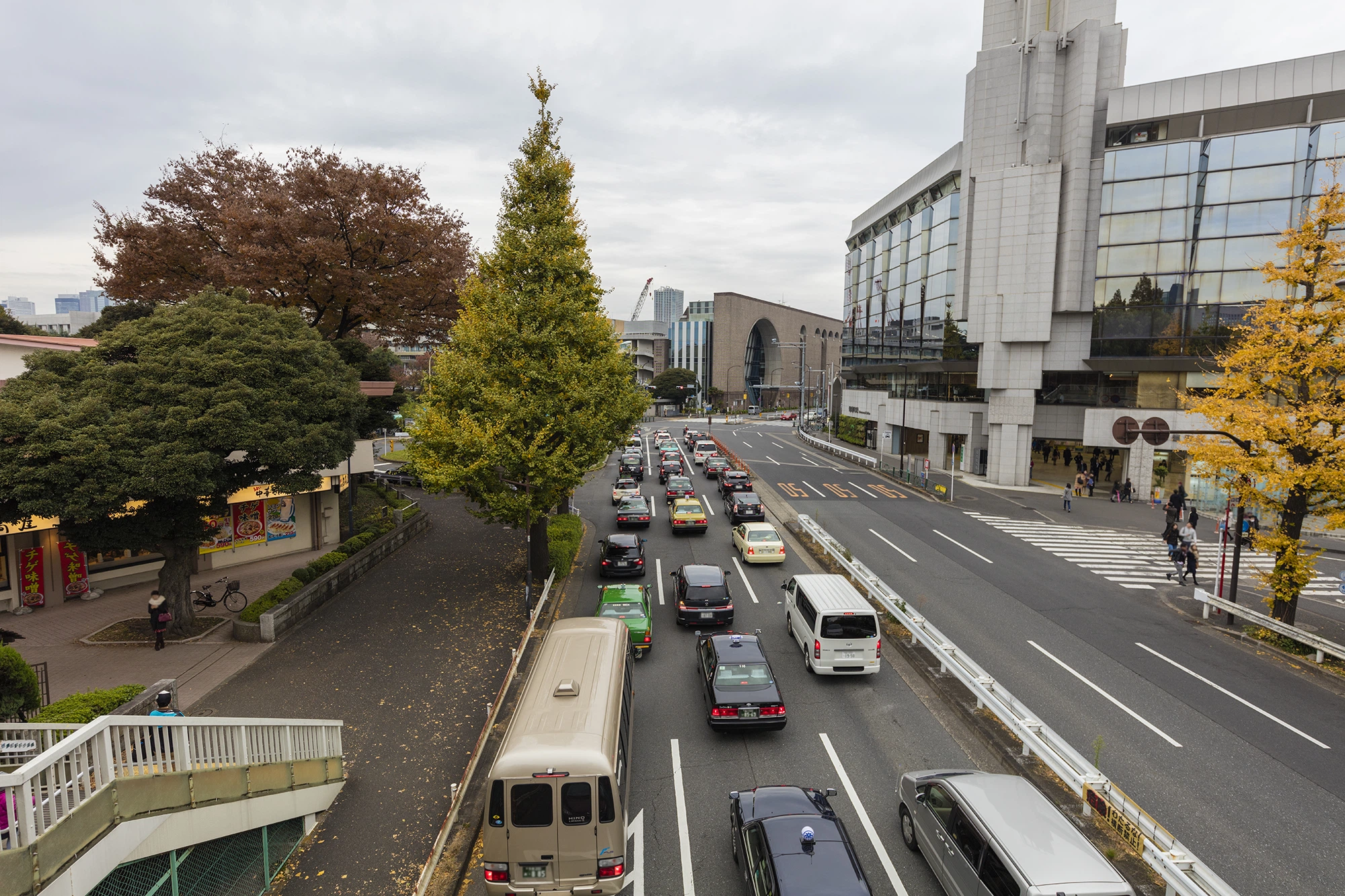
Meiji Shrine
The shrine is usually visited by the largest number of worshippers in Japan on Hatsumode (New Year's visit). There is also "Kiyomasa-no-ido (Kiyomasa well)" which has become famous as a power spot. It is a 3-minute walk from Harajuku Station, 2 stops on the Yamanote Line from JR Shinjuku Station♪.
-
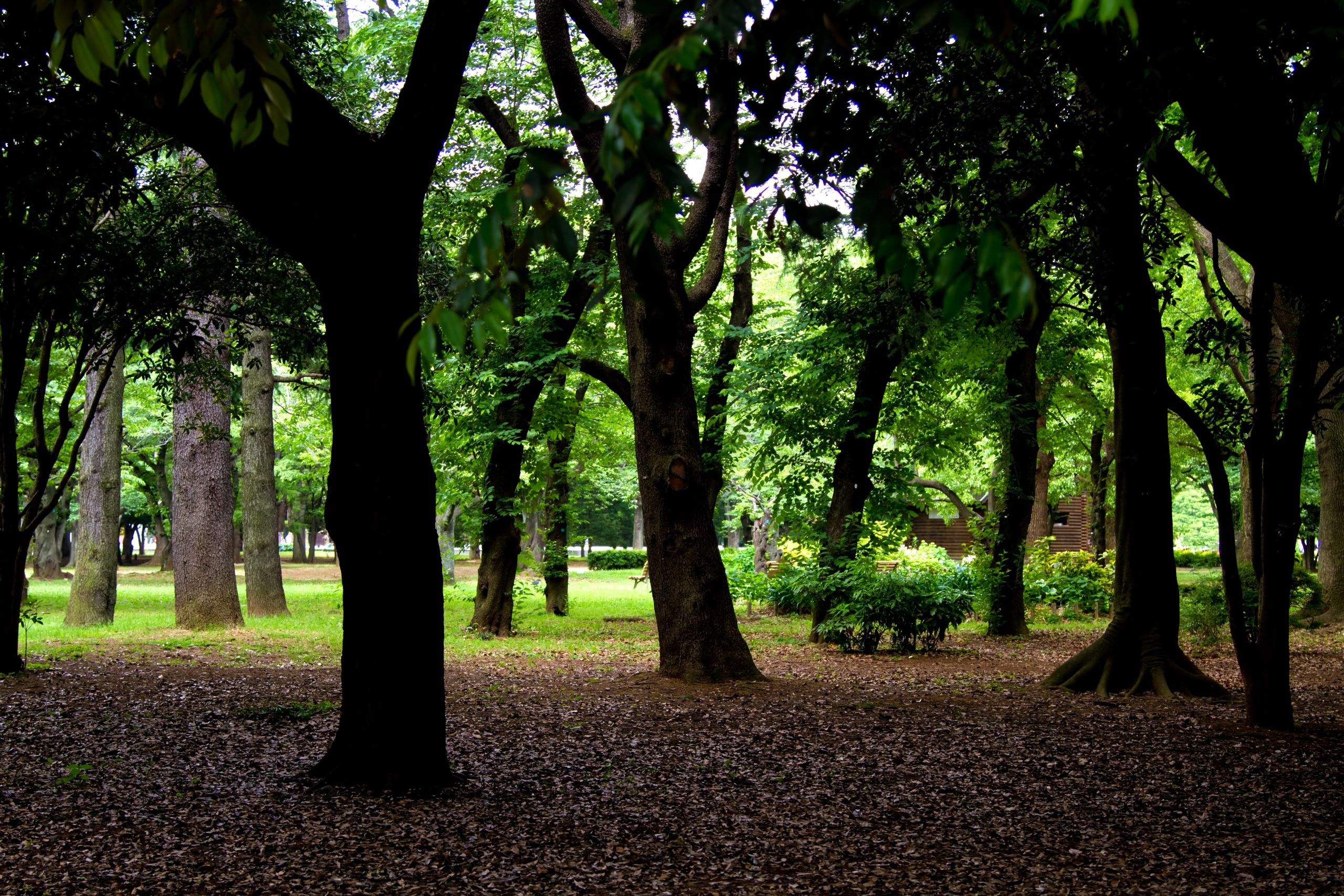
Yoyogi Park
A vast grassy plaza in the center of the park is an urban oasis. Along with Shinjuku Gyoen, it is famous for its cherry blossoms. A short distance away are Harajuku and Shibuya. From Shinjuku, take the JR Yamanote Line one stop to Yoyogi.
-
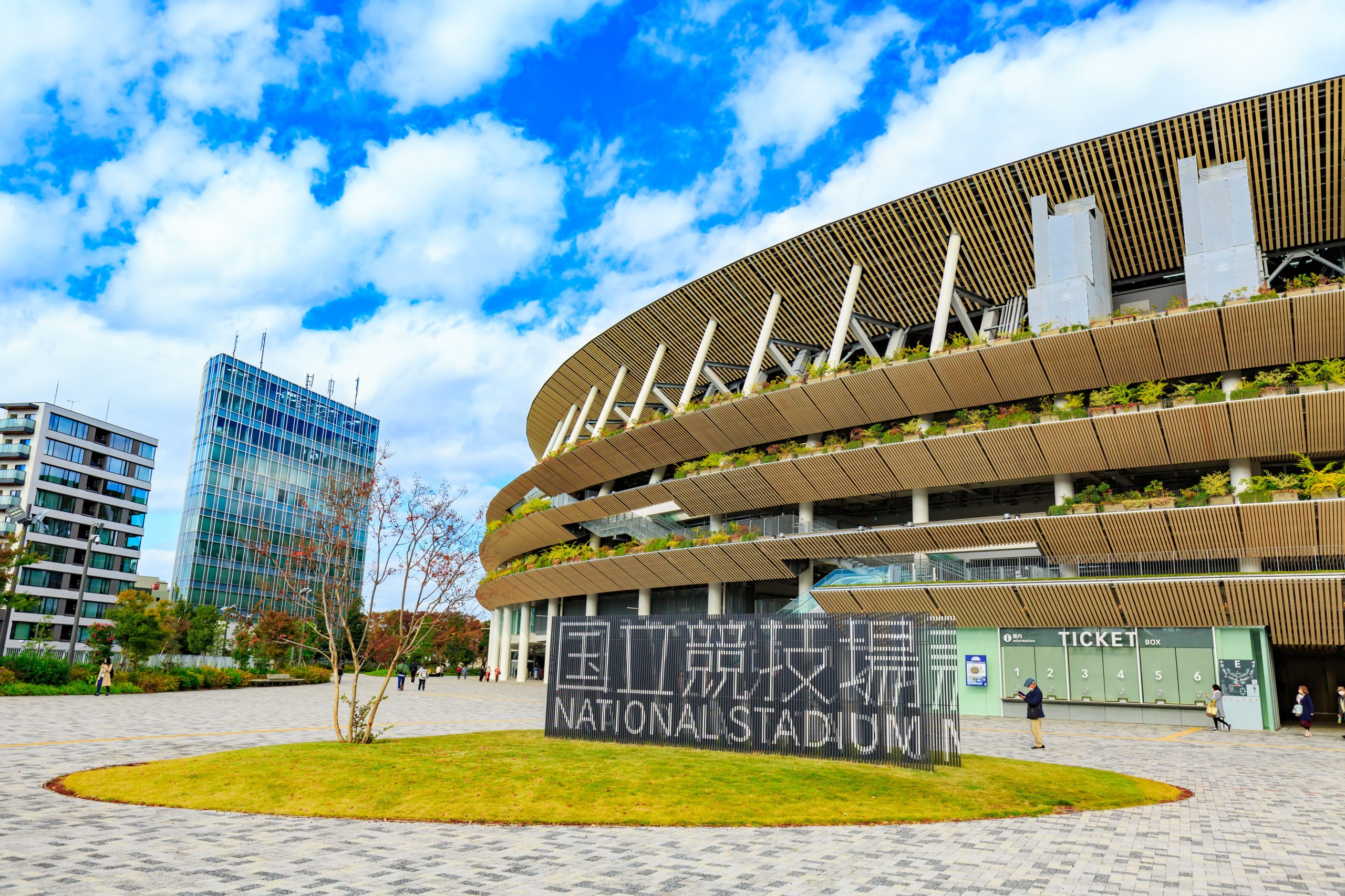
National Stadium
The National Stadium, where various sporting events are held, is only three stations away from Tochomae Station on the Oedo Line. Jingu Stadium and Chichibunomiya Rugby Stadium are also located in this area.
-
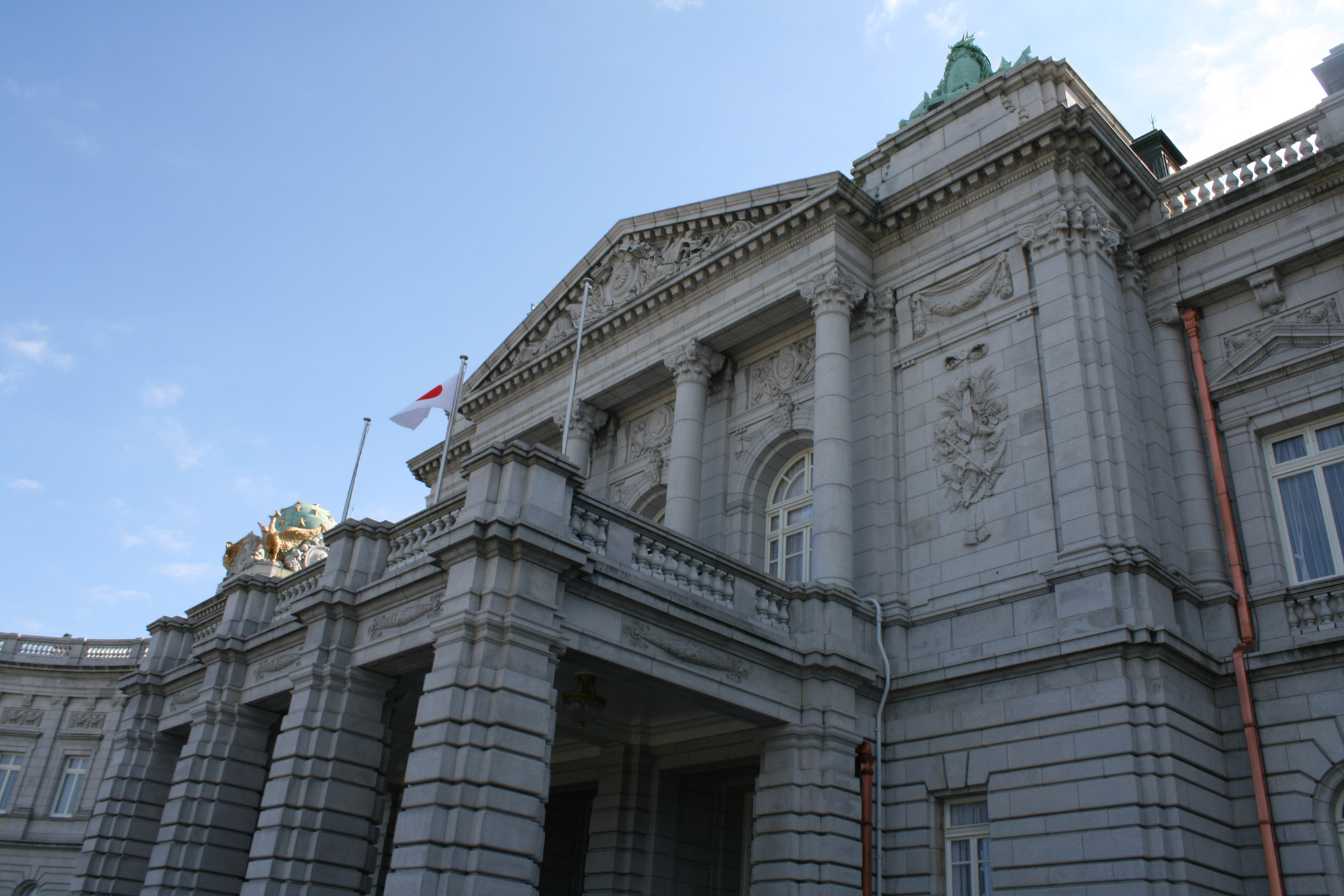
Akasaka Guest House
The only neo-baroque western-style architecture in Japan, designated a national treasure in 2009. 5 min. on the JR Sobu Line from Shinjuku to Shinanomachi. 16 min. walk from Shinanomachi.
-
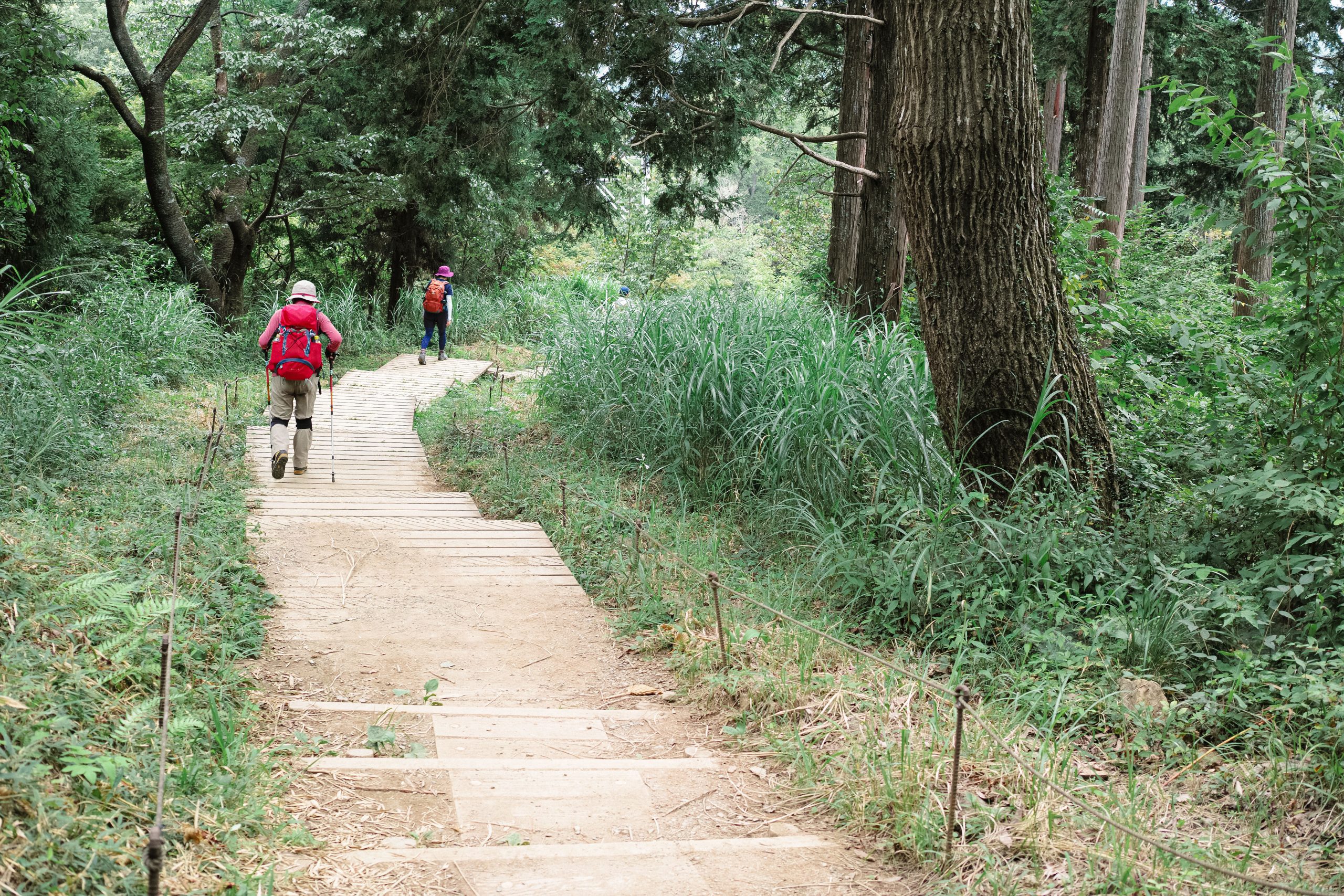
Mt. Takao (Mt. Takao)
A popular hiking spot close to the city center where visitors can easily enjoy hiking. It is popular not only among climbers, but also among tourists as a power spot. It takes about 45 minutes from Shinjuku by Keio Line or Chuo Line Special Rapid train.
-
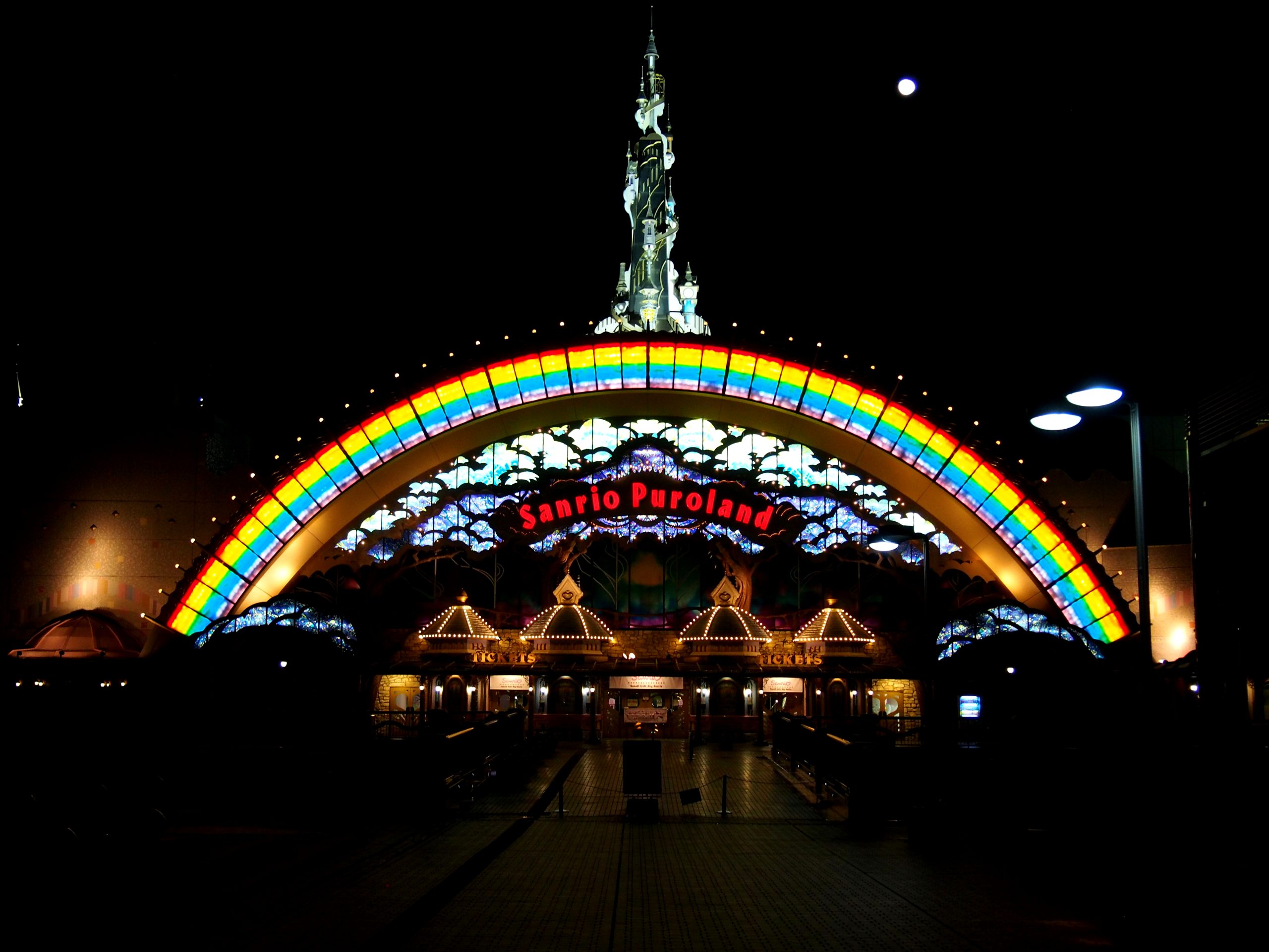
Sanrio Puroland
A theme park where you can meet Sanrio characters. A popular spot for families. Approximately 30 minutes from Shinjuku by Keio Line Express or Odakyu Line. 5 minutes walk from Tama Center.
-
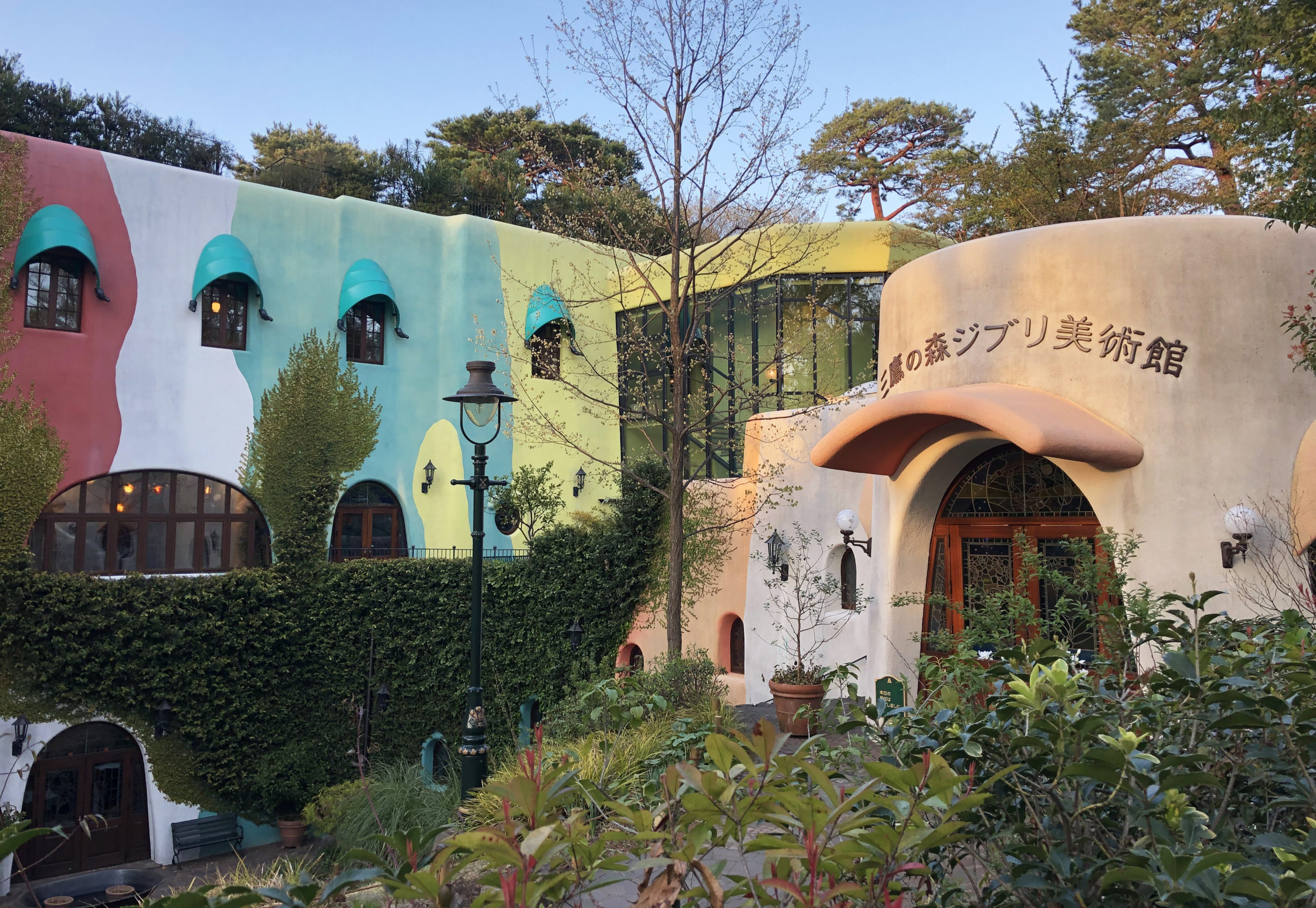
Mitakanomori Ghibli Museum
It takes about 15 minutes from the South Exit of JR Mitaka Station by walking slowly along the Tamagawa-josui River. Mitaka Station is a 20-minute ride on the JR Chuo Line rapid train from Shinjuku. A community bus is also available from Mitaka Station. Reservations are required for the designated date and time, and tickets must be purchased in advance.
-
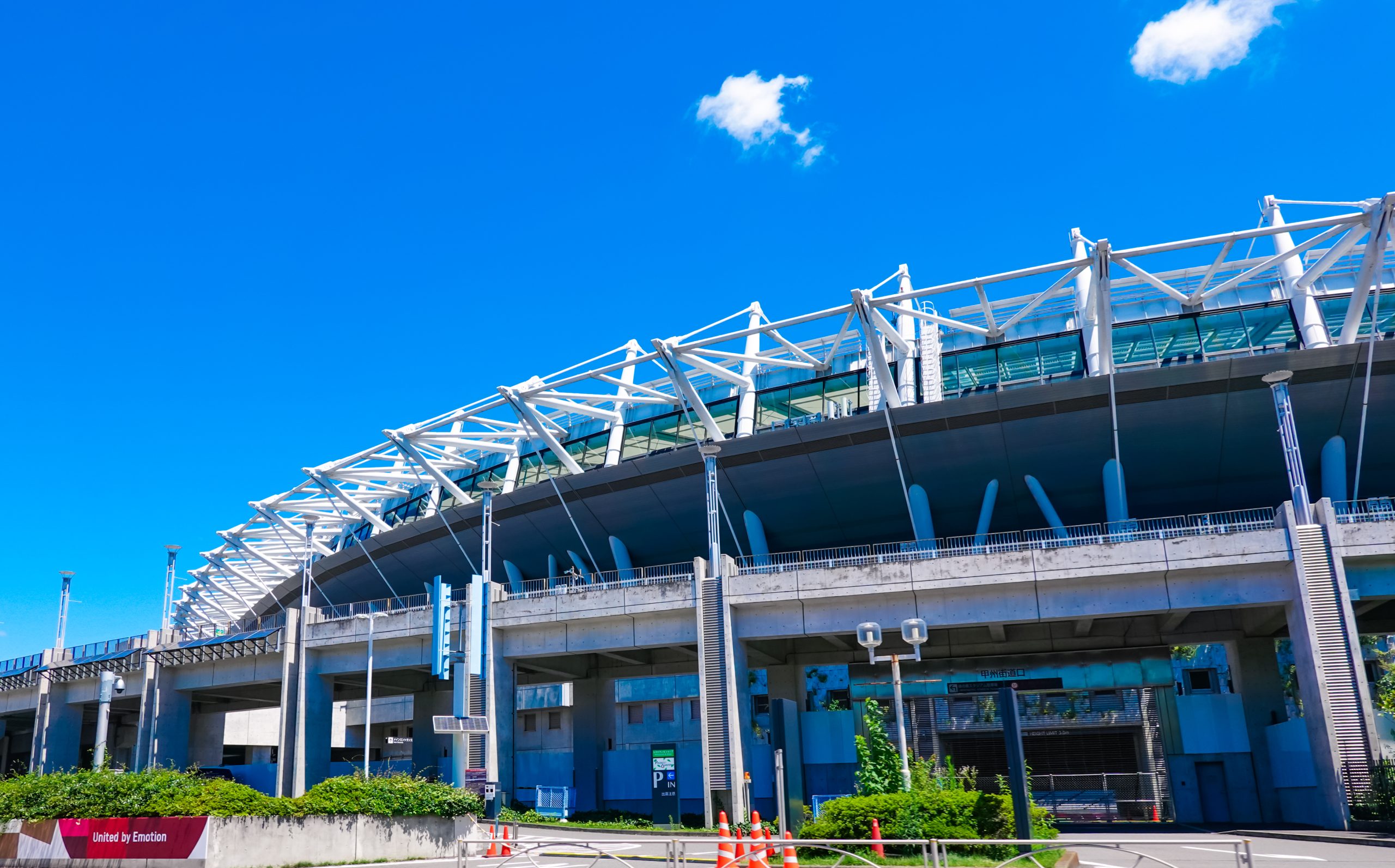
Ajinomoto Stadium
-
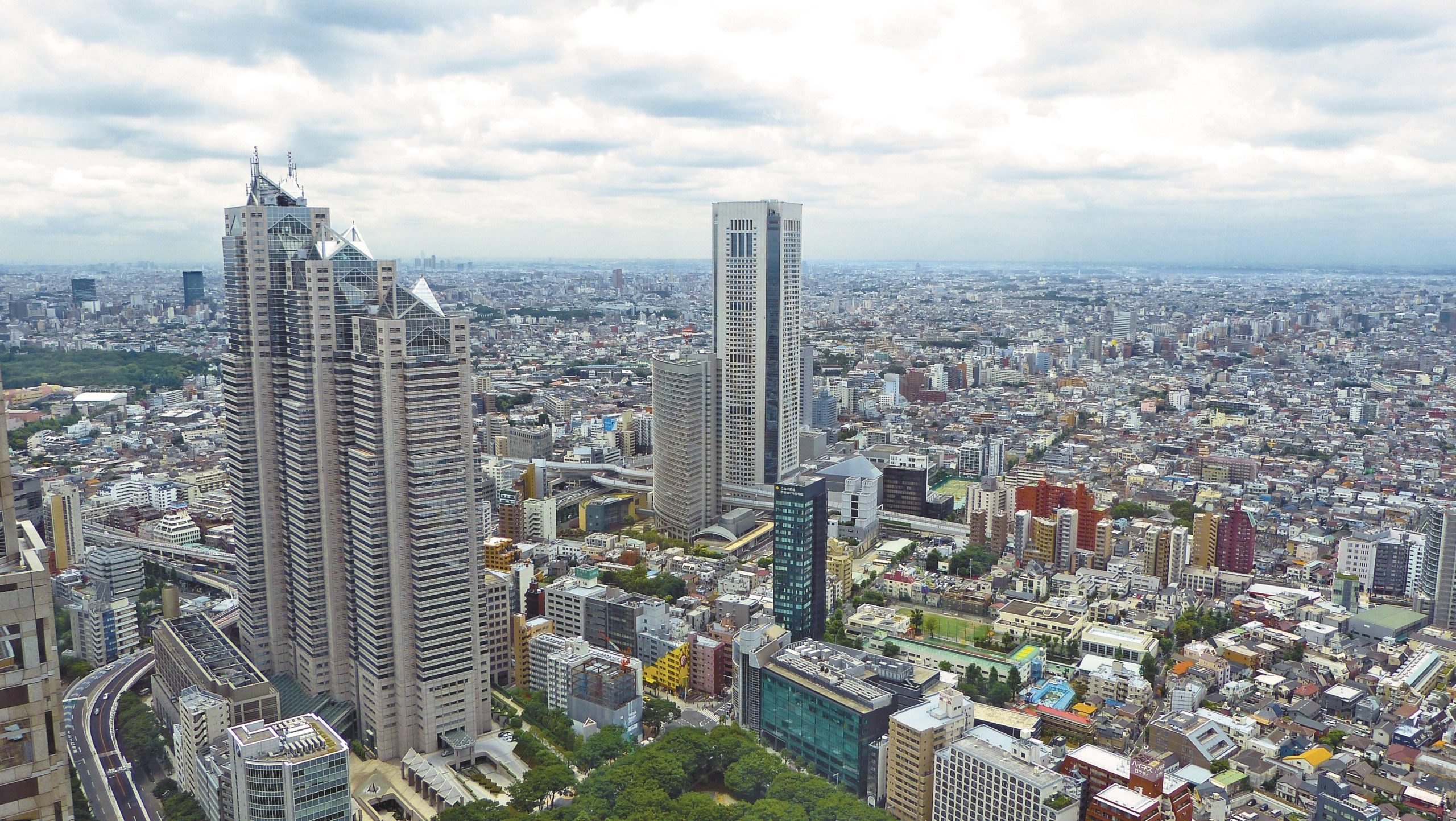
Neighborhood & Sightseeing: Tokyo Opera City